
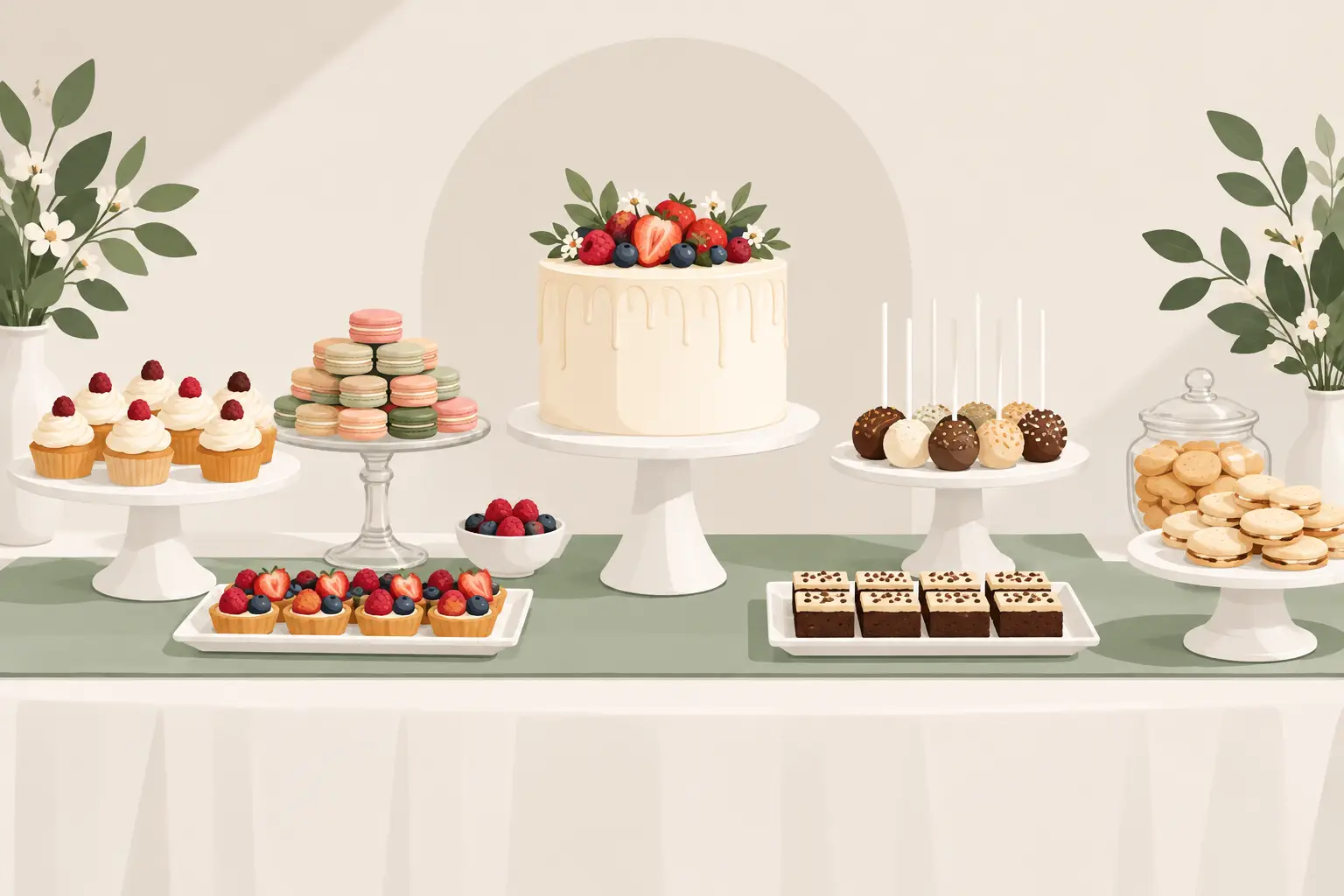
A dessert table is where guests pause, take photos, and reach for one more treat. That is why decorating a dessert table is about more than setting out cupcakes and hoping for the best. When the colors, heights, and little details work together, even a simple menu can feel like a true part of the celebration.
For birthdays, baby showers, anniversaries, graduations, and family gatherings, the goal is not to fill every inch of the table. It is to create one beautiful moment that reflects the guest of honor and makes serving dessert feel effortless. Start with a clear vision, then let every choice support it.
Start With the Moment You Want to Create
Before choosing a tablecloth or ordering cookies, think about the feeling behind the event. A first birthday might call for playful color, soft shapes, and a sweet character detail. A milestone birthday may look better with rich tones, clean signage, and a more polished arrangement. For a corporate celebration, the design can carry brand colors without feeling overly formal.
A theme does not have to mean matching everything exactly. In fact, the most memorable tables usually use a few connected elements rather than a room full of identical prints. Choose a color palette of two or three main shades, then add one neutral such as white, cream, clear acrylic, gold, or natural wood. This gives the sweets, cake stands, backdrop, and favors a visual rhythm.
It also helps to choose one focal point. It may be the birthday cake, a custom backdrop, a name sign, or a statement balloon garland framing the table. Once that focal point is decided, the other items have a job: they should lead the eye toward it, not compete with it.
Build the Backdrop Before Decorating the Dessert Table
The wall behind the desserts does a surprising amount of work. A well-designed backdrop makes the table look intentional in photos, even before a single treat is added. It also gives guests a natural place to gather for pictures with the guest of honor.
Your backdrop can be soft and simple or full of personality. Layered fabric, panels, custom cutouts, themed graphics, or a color-coordinated balloon installation can all create a finished look. The best choice depends on the venue, the scale of the party, and how much visual impact you want. A small family gathering may need one styled panel and a compact garland, while a larger venue can carry a wider installation with more layers.
Keep the backdrop high enough that it frames the table rather than disappearing behind it. If the design includes wording, make sure it is readable from a few steps away. A name, age, short phrase, or meaningful message is often more effective than a crowded collection of text.
Use Height to Make the Table Feel Abundant
A flat dessert table can look sparse, even when it is full. Height creates dimension, helps guests see what is available, and gives photographs a much more polished result. Cake stands, risers, crates, pedestals, and tiered trays are useful because they turn a row of desserts into a layered display.
Place the tallest item near the center or slightly off-center, depending on your backdrop. The cake is a natural choice, but a floral arrangement, themed cutout, or elevated treat stand can also take that role. From there, step down gradually on both sides. The arrangement does not need to be perfectly symmetrical. A balanced asymmetrical design often feels more modern and relaxed.
Be practical with height, too. A tall stand is beautiful only if guests can safely reach the dessert on it. Keep the most popular, grab-and-go treats at an easy level, especially when children will be serving themselves. If the event will be busy, leave enough open space for plates, napkins, and tongs without disturbing the display.
Let the Desserts Add Color and Texture
Desserts are part of the decor, so plan them as part of the color story. A cake can introduce the main design, while cookies, cake pops, macarons, donuts, or mini pastries repeat the palette in smaller moments. You do not need every sweet to be custom decorated. A mix of detailed statement treats and simple supporting treats keeps the budget and the table in balance.
Think about texture as much as color. Smooth frosted cake, ridged cupcakes, glossy fruit, delicate cookies, and wrapped chocolates all catch the light differently. When every dessert is the same shape and height, the table can feel one-note. A few varied textures make it more inviting.
Labels are a small detail with a big payoff. They help guests identify flavors and dietary options, but they also make the setup feel cared for. Use labels that match the event signage, whether the look is playful, elegant, rustic, or bold. Clear descriptions are especially thoughtful when offering nut-free, gluten-free, or vegan selections.
Choose Decorative Details With a Purpose
This is where a table becomes personal. A themed cake topper, a framed baby photo, a meaningful quote, or custom party favors can tell guests what the celebration is really about. For faith-based milestones and family occasions, a small gratitude message or handcrafted favor can make guests feel genuinely included in the moment.
The key is restraint. If the cake, backdrop, and balloons already bring plenty of color and movement, choose quieter tabletop details. If the overall design is minimal, then patterned linens, cutouts, or favor boxes can add warmth. Every item should either support the theme, help guests serve themselves, or create a memory worth photographing.
A few details deserve extra attention:
- Linens should reach the floor or be neatly fitted so the table base looks finished.
- Cake stands should coordinate without needing to match perfectly.
- Plates, napkins, and serving tools should be ready before guests arrive.
- Favors can be displayed as part of the design, then easily picked up on the way out.
Plan for the Room, Not Just the Table
A beautiful display can lose impact if it is placed in poor lighting or squeezed into a high-traffic corner. Consider where guests enter, where they will naturally take photos, and how close the table is to food, drinks, and seating. A dessert table works best when it feels like a destination without blocking the flow of the event.
Lighting matters more than many hosts expect. Daylight is lovely, but a table near a window may look uneven as the sun moves. Indoor venues may need additional warm lighting so the cake and backdrop do not appear dull in photos. Avoid placing the table directly under harsh overhead lights when possible.
For outdoor celebrations, choose a shaded area and secure lightweight decor carefully. Heat can affect certain desserts, wind can shift signs and linens, and direct sun can change how colors appear in photographs. A little planning protects both the look of the table and the treats guests are excited to enjoy.
Leave Room for Real Celebration
The most polished dessert tables still need to function during a real party. Build the display early enough to make adjustments, but add delicate or temperature-sensitive items closer to serving time. Keep backup napkins, a cake knife, wipes, and extra serving utensils nearby, out of sight but easy to reach.
If you are hosting while managing guests, children, photos, and a schedule, professional styling can take a great deal off your plate. A custom setup from Party Hub Decor can bring the backdrop, balloon decor, cake stands, cutouts, and coordinating details together so you can arrive to a celebration that already feels special.
The best dessert table does not just make people say, “That looks beautiful.” It gives them a reason to gather, celebrate, take a photo, and carry a little more joy home with them.
Leave a Reply